PINCH VALVES vs DIAPHRAGM VALVES- KEY DIFFERENCES- PROS and CONS
What valve type do you choose for wet slurries?? When choosing they type of valve for wet slurry applications, the type of valve used can significantly impact performance, and wear life of the valve. Two popular valve options for these applications are pinch valves and diaphragm valves. In this article, we’ll explore the key differences between these valves, and their implications for abrasive slurry applications.
PINCH VALVES
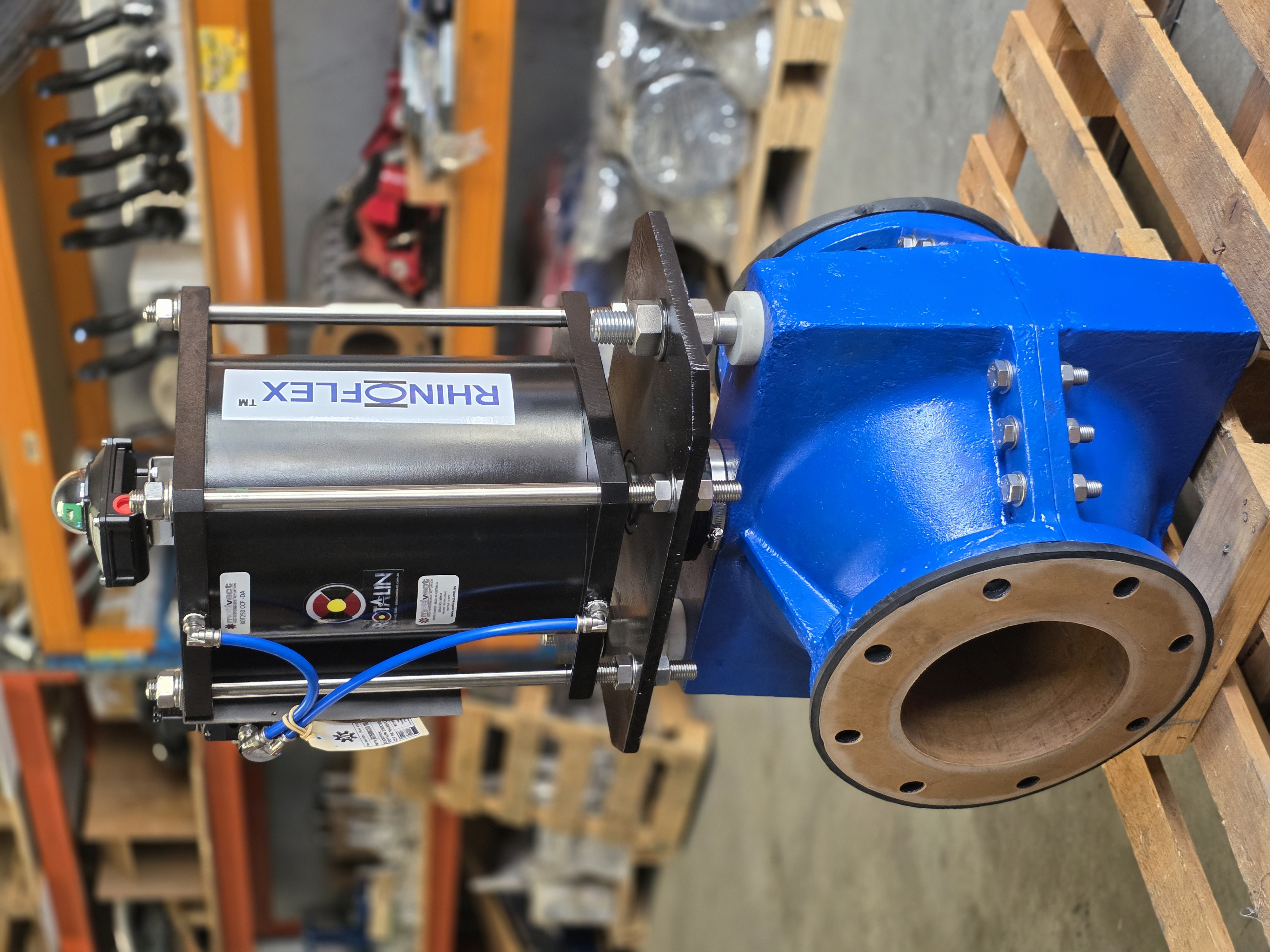
Traditionally, a mechanical pinch valve has two main parts- the body and sleeve. The body houses two mechanical pinch bars, and a rubber sleeve within the body.
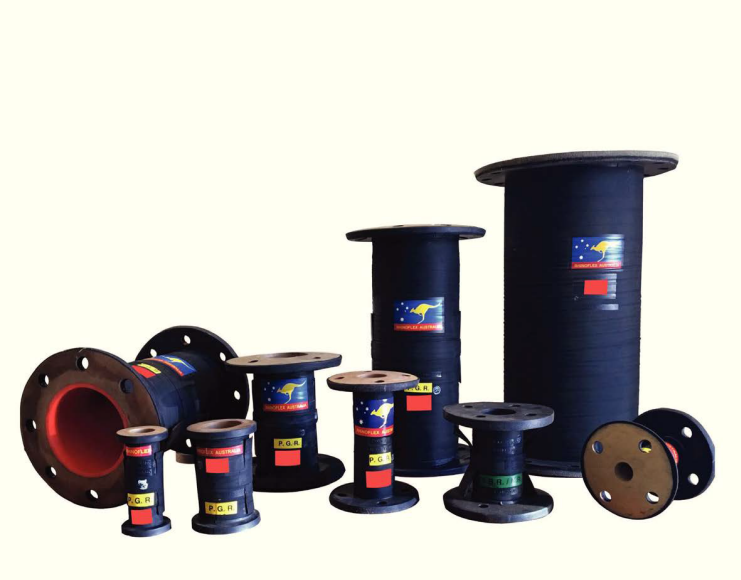
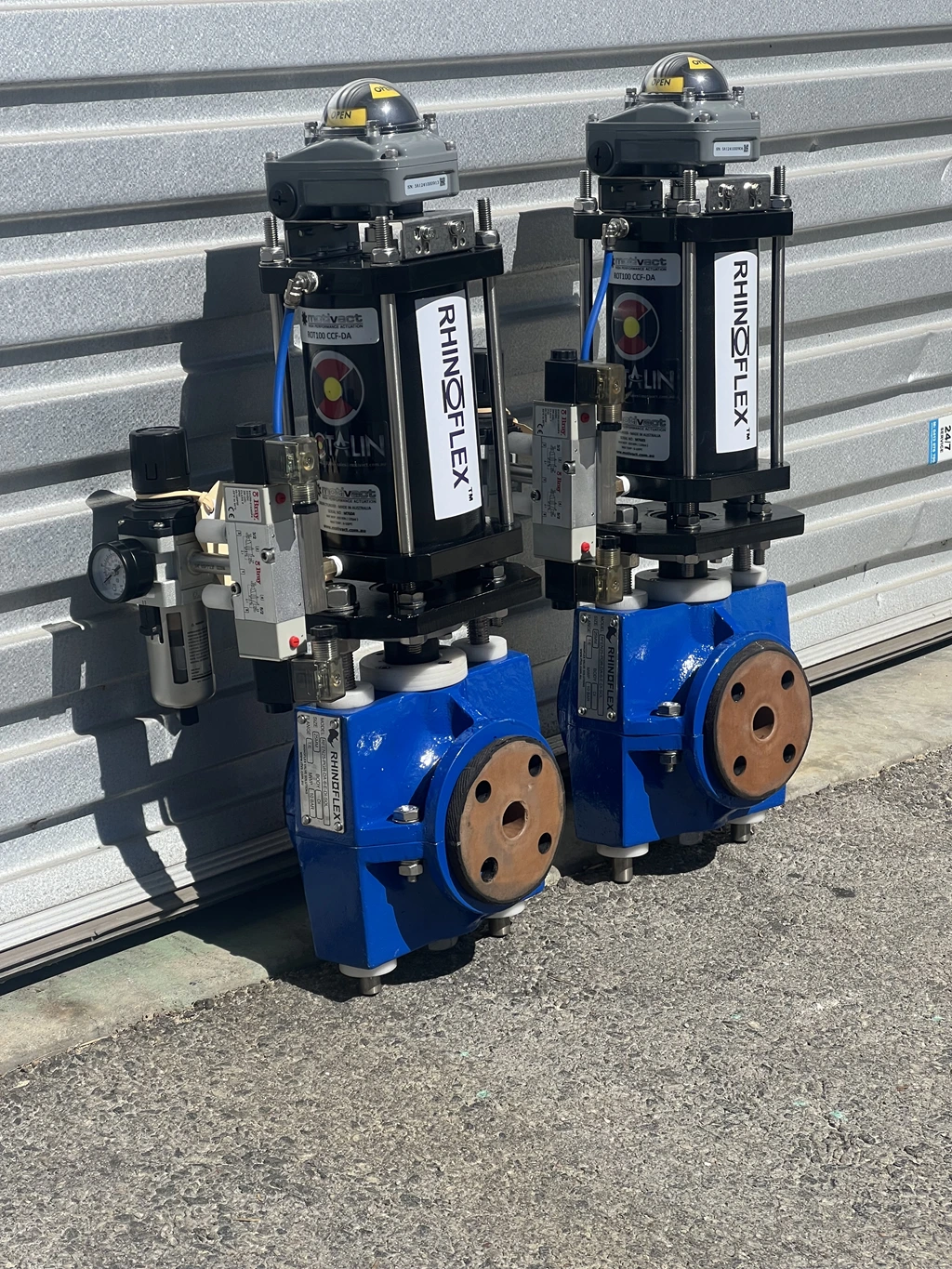
These pinch valves operate by pinching or squeezing the flexible rubber sleeve to control the flow of fluid or media. Therefore, when the valve is open, the sleeve inside diameter becomes a full-bore pipe allowing the media to flow through. Closing the valve involves pinching off the tube, using the two mechanical pinch bars, effectively stopping the flow and any solids contained within. In extremely demanding applications, pinch valves are often preferred especially where abrasive or corrosive materials are being handled. The rubber sleeve tube provides adequate resilience against premature wear and pressures making pinch valves suitable for challenging applications. This sleeve is a wear component, and can easily be replaced, and the same valve will have a new lease on life, as being the only wetted part, the body remains mostly intact. Higher pressure ratings can be achieved, by custom building the pinch valve sleeves with extra layers of reinforcement, and thicker walls etc. These valves are easily actuatable with pneumatic, hydraulic, and /or electric actuators, because they do not have a bonnet or topworks and actuation is simple. The type of elastomer for the sleeve is also selected depending upon many factors like the type of media(application), velocity and Specific gravity of slurry, percentage of solids, Ph levels in the media, acidic contents etc. This ability to “tailor-make” the sleeve to suit the application is a huge positive factor in a pinch valve. Various types of sleeves can be manufactured for precise control of the media, like funnel and conical sleeves. A sufficient understanding on various elastomers is required to make the decision and choose the type of elastomer.
DIAPHRAGM VALVES
Diaphragm valves, on the other hand, utilize a flexible diaphragm to regulate fluid or material flow. There are two types of diaphragm valve designs. Straight Through, and Weir Type. Both styles can have a lined or unlined body to combat the abrasive nature of the slurry. Various body linings and diaphragms can be selected to suit the application accordingly. The diaphragm acts as a barrier between the flow path and the valve body. Opening the valve lifts the diaphragm away from the flow path, enabling the substance to pass through. Closing the valve causes the diaphragm to seal against the valve body, effectively stopping the flow. Diaphragm valves are often not preferred in situations that require precise control. The diaphragm provides a tight and reliable seal, ensuring accurate flow regulation and minimizing the risk of contamination. Actuation and automation on diaphragm valves is quite complicated because the design of the diaphragm valve in cooperates a BONNET, that is not easy to “mount” any external actuator on. Abrasive wear on the diaphragms and/or lining could mean either the replacement of the diaphragm, or the complete relining of the valve, or discarding the valve totally. Because of the design and the lining and diaphragm limitations, the diaphragm valve is limited to lower pressures when compared to a pinch valve.
IN THE WASH UP………
Both, the diaphragm and pinch valves come under the same “family” umbrella.
If the application is very demanding and requires constant maintenance, the pinch valve would be a better option. This maybe considered as an investment, as re-use of the same valve repeatedly is possible. Whereas a Diaphragm valve may not offer these features. It is easier to actuate a pinch valve than a diaphragm valve…. something to keep in mind. Control applications are much more accurate when using Pinch Valves along with standard instrumentation. Higher pressures can be achieved in a pinch valve compared to a diaphragm valve.
The choice of a pinch valve wins on all fronts, when compared to a diaphragm valve.