Pinch Valves in Lime and Milk of Lime Slurry in Process Plants
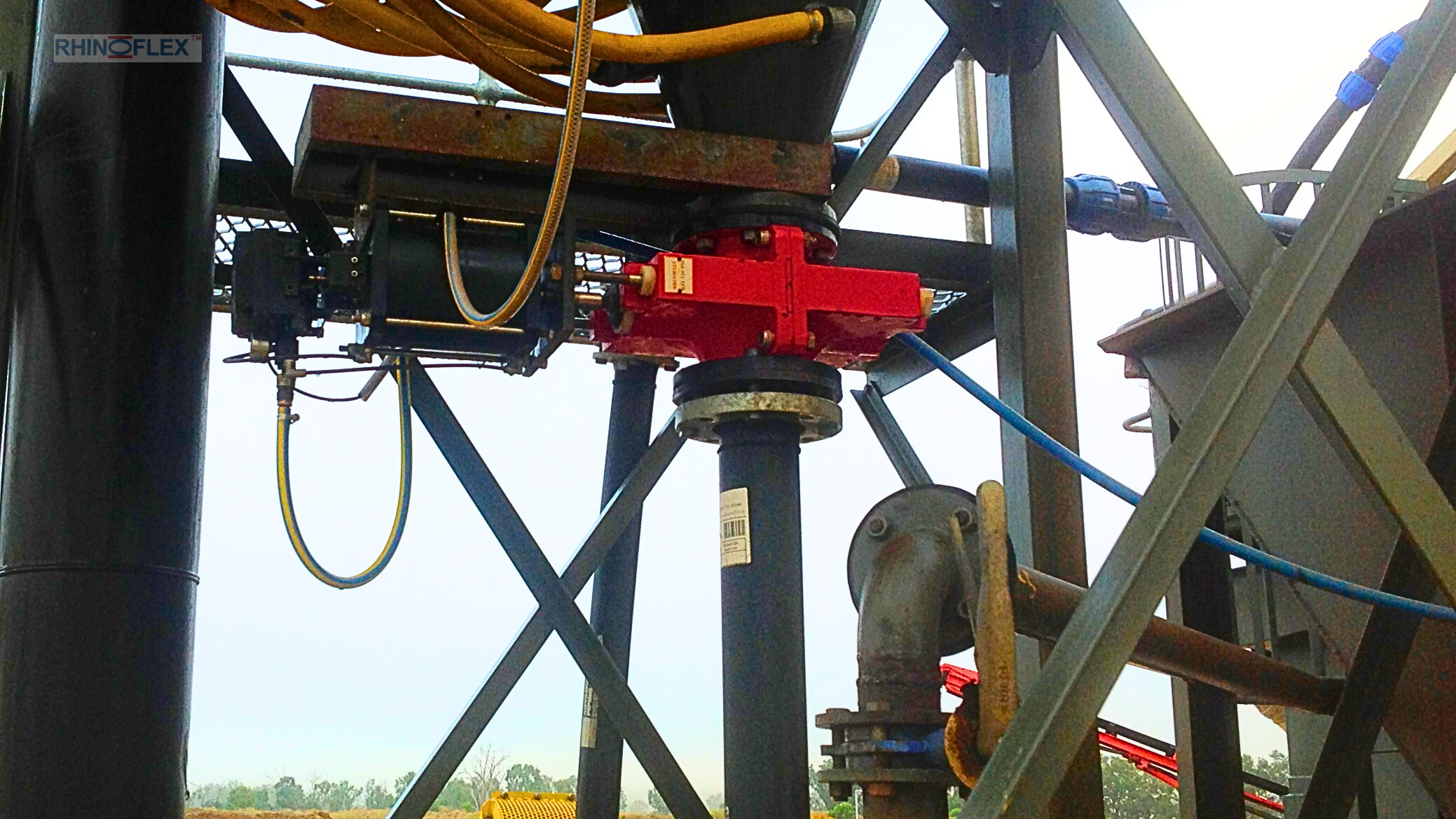
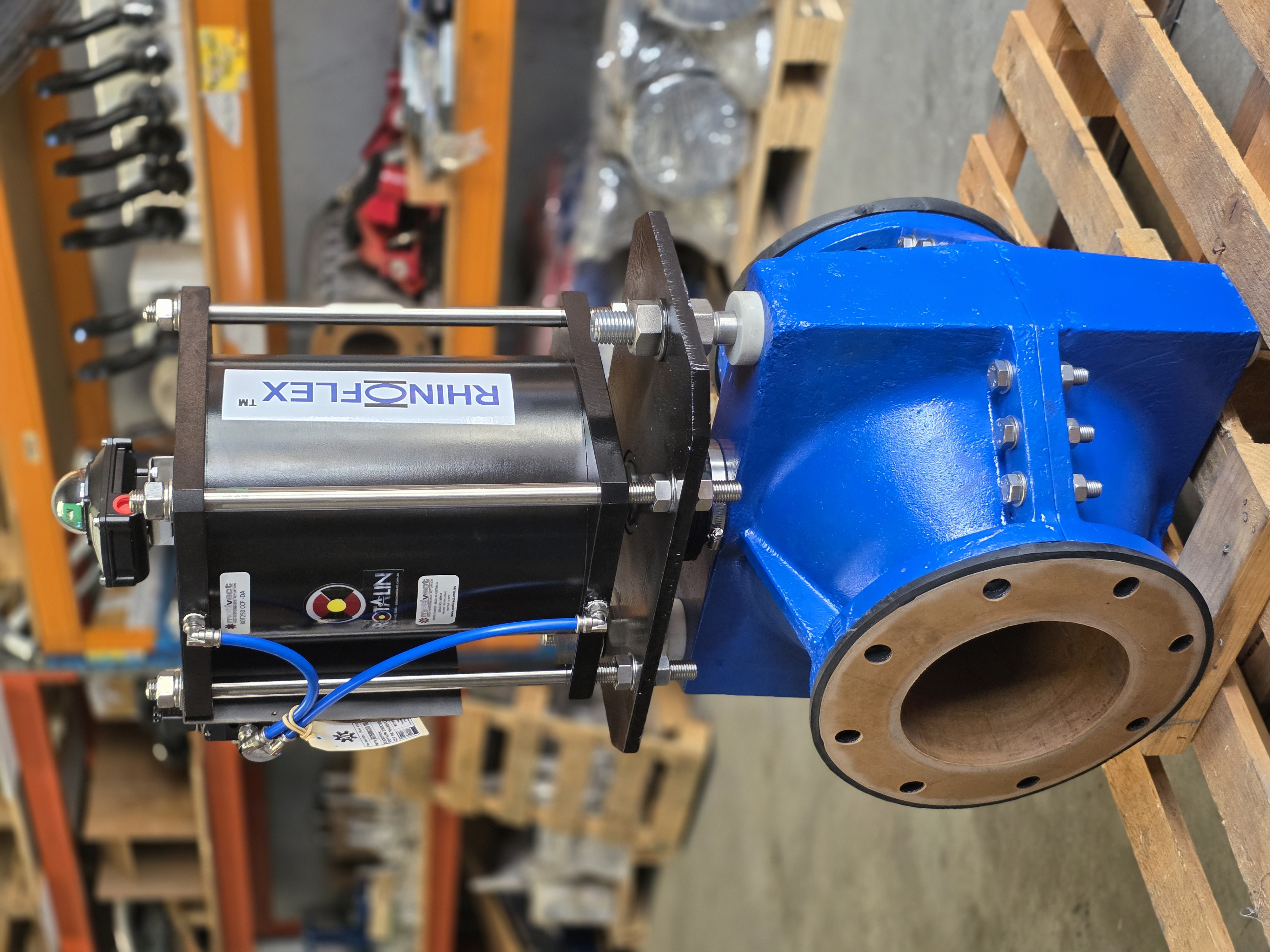
In almost every mineral processing plant, there is employed the use of Milk of Lime (or Lime Slurry) to neutralize the pH content. This suspension is usually between 10-30% of Hydrated Lime, mixed with water. The process involves the use of QUICKLIME (CaO) or by mixing Hydrated Lime Powder (Ca(OH0)2) with water in agitator tanks, and then requires very aggressive, abrasion resistant pumping and media transport, that will prevent scaling, buildup and settling. It is primarily used for increasing pH in wastewater, precipitating heavy metals, softening water, and as an agent in FGD (Flue Gas Desulfurization). Due to its extremely abrasive nature, lime slurry is very prone to “settling” and creating extremely hard scale build up, especially in bends, dead spaces and valves with cavities, seats and seals. It is because of these very reasons, and to avoid pipe clogging and blockage, plants always will use looped pipework for recirculation, with high feed rates, and the most suitable valve of choice is always the tried and tested PINCH VALVE, with wear resistant rubber sleeves, that offer no build up, self -cleaning on its full bore, with each and every cycle it operates. Please contact us at Rhinoflex, to know more about the use of Pinch Valves in Lime and Milk of lime slurry applications, and how these difficult applications can be navigated.