How to Choose The Best Pinch Valve - Ownership Cost
LEADING PINCH VALVE MANUFACTURERS should be able to offer the full range of styles and models, and elastomer sleeve materials required for a variety of applications. From Isolation valves to Control valves, a good manufacturer should be able to offer engineered solutions, using a Pinch Valve.
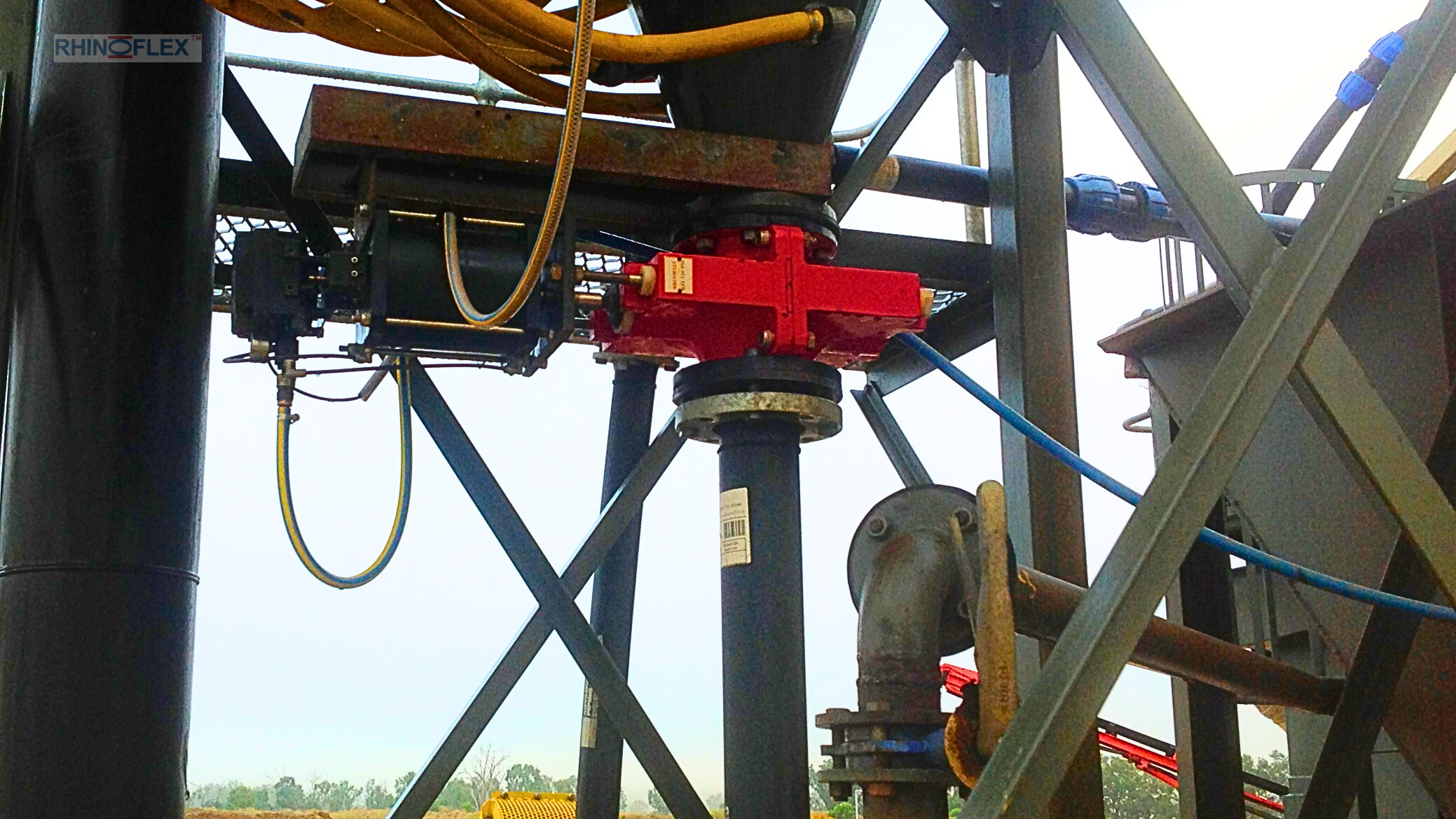
In the Americas and in many parts of Africa, the Pinch Valve is very widely used for many applications from water to sewage, to mining to cement and general industry. Historically, the use of pinch valves has been very popular in these countries. It is only now; these valves are being recognized around the world, for their ability to “cut through the hard stuff” and deliver great wear life and performance results.
WHAT TO LOOK FOR IN A MANUFACTURER: Variety of models, various material choices in body and sleeves, various actuation and operation options, and most importantly the ability to offer pinch valves in control applications.
HOW TO CHOOSE THE BEST PINCH VALVE:
Like “OILS AINT OILS” and “SOILS AINT SOILS”, “VALVES AINT VALVES”.
No one type of valve is suitable for many or all applications. This holds true even within the various models of a pinch valve choice.
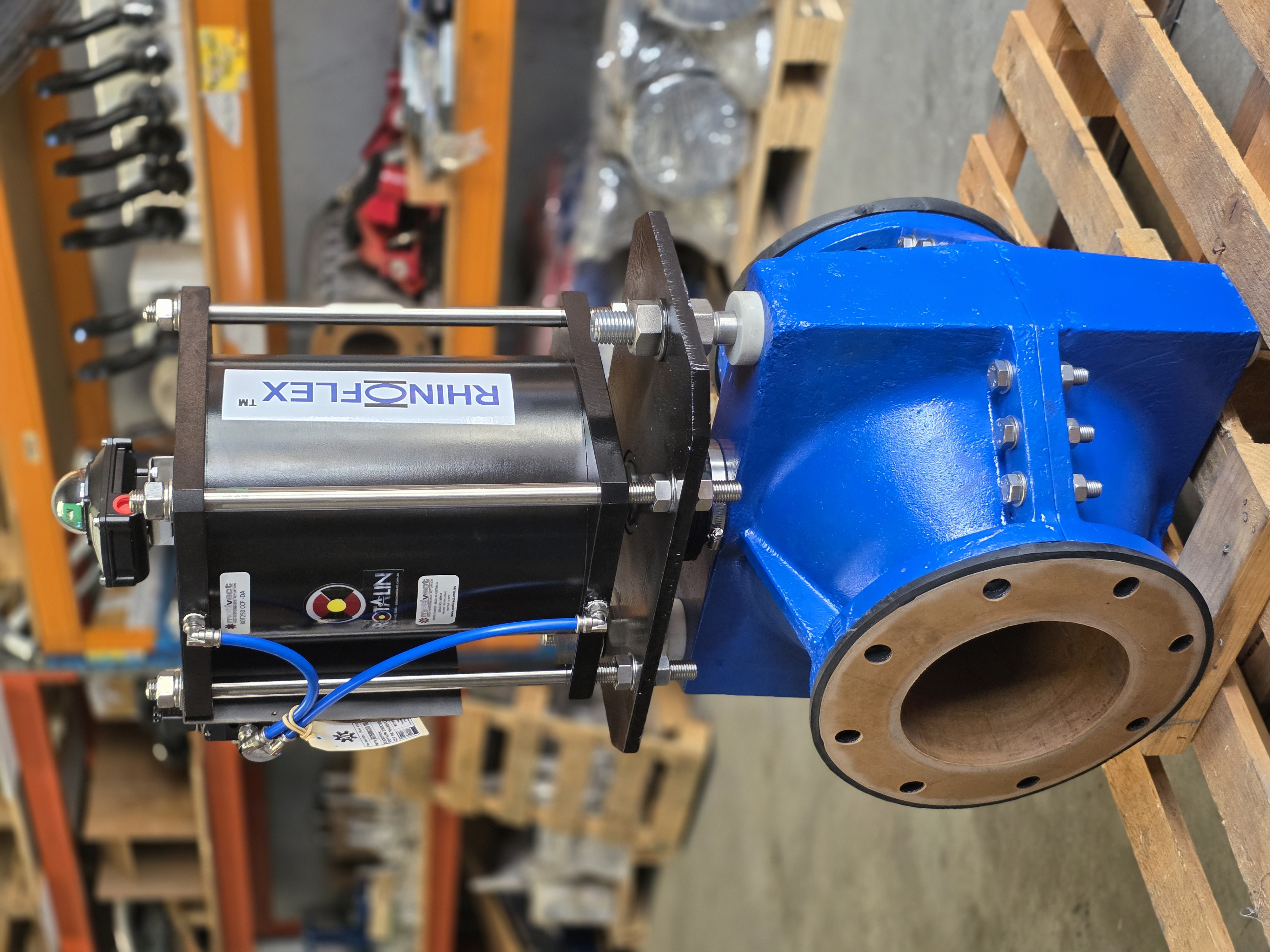
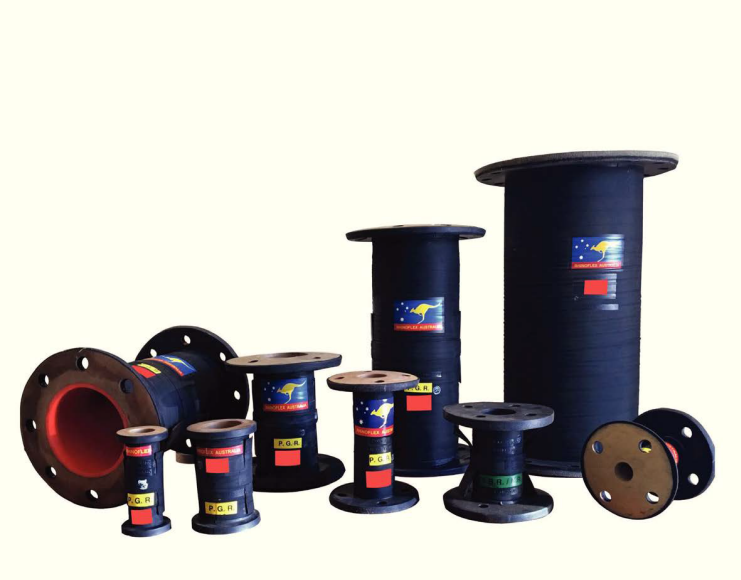
When choosing a pinch valve, one should firstly consider the “APPLICATION MEDIA” going through the valve. The ELASTOMER(RUBBER) Sleeve is then chosen based on this media. If the slurry is heavy, with a high percentage of solids, the rubber chosen will be softer, and the sleeve design might in cooperate a “double wall” or “polyurethane lined” so that the sleeve performs at its best. Another factor to consider is the “WORKING PRESSURE” of the valve and what it is subjected to. The sleeve design and construction will depend on the “pressure rating” of the sleeve and will be built accordingly. If the pressures are high, then an ENCLOSED BODY style is mandatory, and if the pressures are low, the OPEN FRAME style could be considered. If air actuation only is available, and no space is available for other actuation methods, a JACKETED TYPE can be used. Should the valves required be quite small, then a QUARTER TURN TYPE can be considered, with standard quarter turn actuation. So, as you can see, there are many factors that come into play when considering a pinch valve.
COST OF OWNERSHIP: PINCH VALVES
Pinch valves are well noted for their ease of field replaceable spares, so that it gives the end user another lease of life by changing out some spares like sleeves and bushes. When considering a PINCH VALVE, one should consider it as an investment. This valve can and will be used multiple times in the life of this valve. The proven reliability, as the rubber sleeve as the only wetted component, minimising wear and eliminating corrosion risks This has extremely reliable performance even during extended periods of non-actuation. That makes the pinch valve the lowest total cost of ownership thanks to minimal maintenance requirements, and ease of replaceable spares.
GOODBYE KNIFEGATE VALVE- HELLO PINCH VALVE:
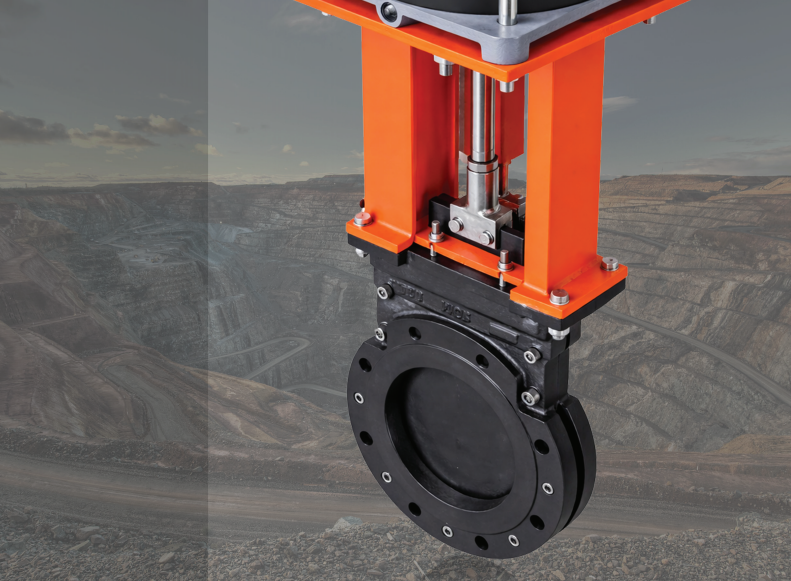
Over the years, we have seen time and time again, that in demanding, difficult abrasive slurry applications, (for example on TAILINGS DISCHARGE lines), end users always opt for Knife gate valves as their first choice. This is because they are not well informed about the demanding nature of the application. Vey soon they discover, the knife gate valves are all jammed and seized during NON-OPERATION, making them inoperable, and stuck, and if faced with an emergency, there is no other option than an expensive shutdown. Very often, slurry cakes up on the seat area, and prevents full shut off and premature wear. Corrosion of the KNIFE and Body is also a widely experienced problem, especially in harsh applications. The overall construction of a knife gate valve is often heavy, and complex, and replacement of parts etc could be very difficult.
Pinch valves are specially engineered for abrasive and corrosive slurry environments, offering proven reliability and a low total cost of ownership. The full bore feature is designed for unobstructed flow with no crevices and corners to collect slurry cake. Only the rubber sleeve is in contact with the medium, unlike the many parts inside a knife gate valve. Even a bubble-tight shut-off even with solids present is possible. These qualities make the PINCH VALVE ideal for extremely demanding applications.