A COMPREHENSIVE GUIDE TO KNIFE GATE VALVES- TYPES, APPLICATIONS, SELECTION, INSTALLATION AND MAINTENANCE
WHAT IS KNIFE GATE VALVE.
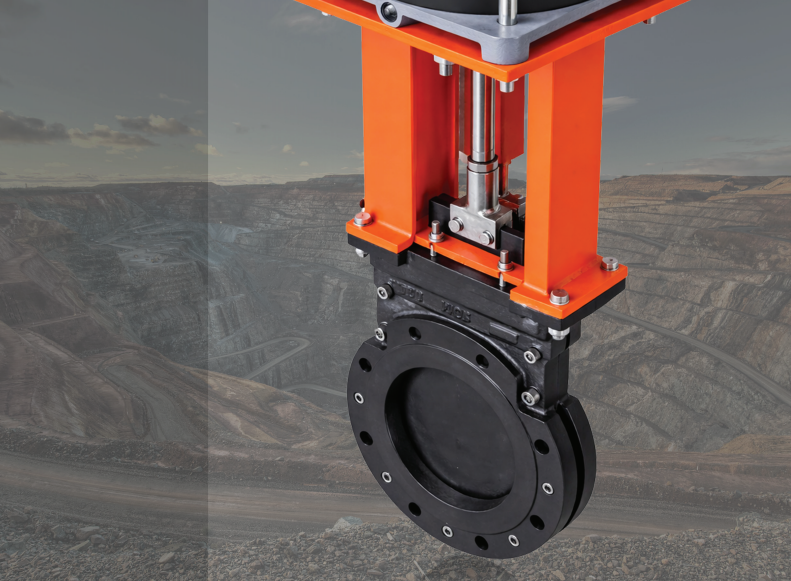
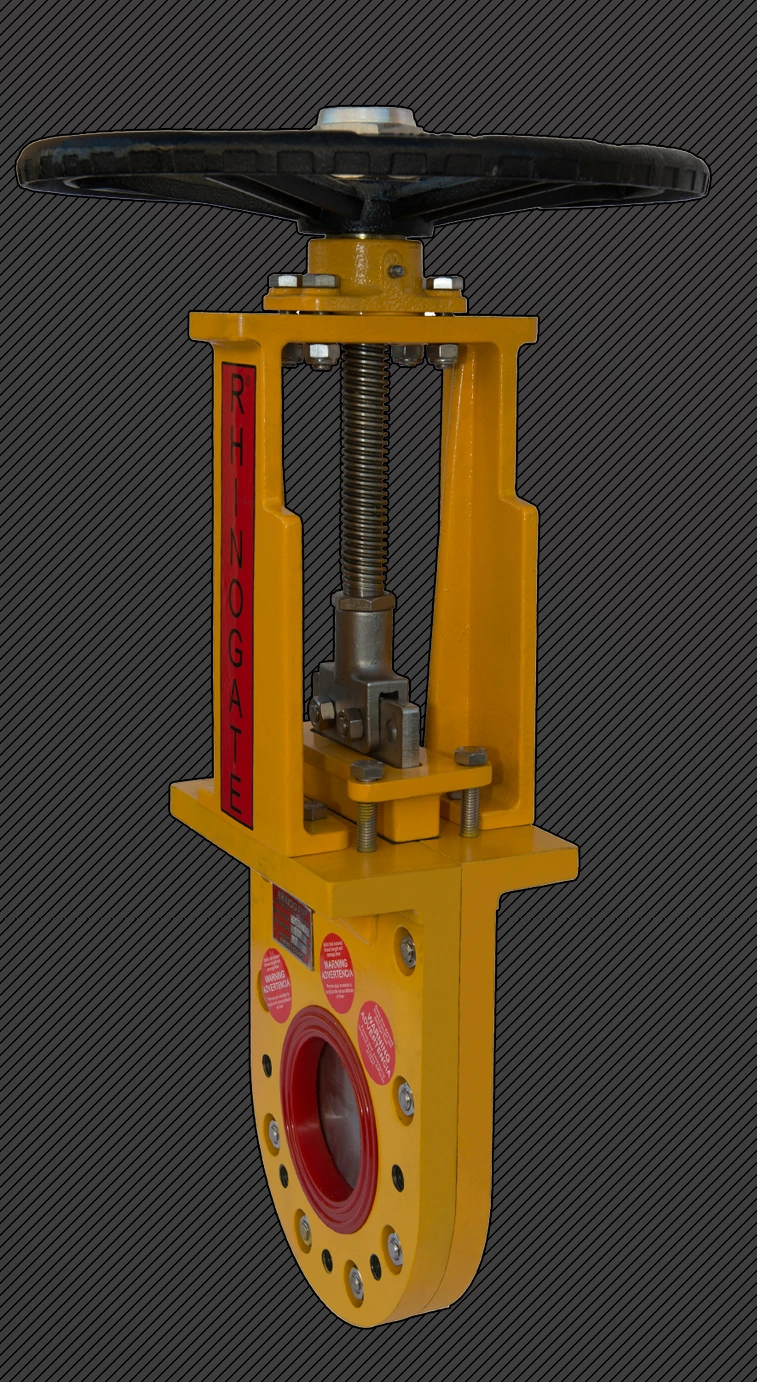
A knife gate valve is a valve like a gate valve and has the same operating principle. However, it is much narrower, and has a variety of gate and seat trims, material configurations, and is a very popular choice of valve for slurry applications because it can “cut through” solids. Predominantly, the original knife gate valves were metal seated, with a sharp “knife edge” gate that was used in the paper and pulp industry, to cut through the sugarcane fibers. The metal seated design has evolved over the years and today, we have a wide variety of designs and models and types.
Knife Gates comes in a variety of styles, such as conventional, push through-gate, various body lined, and guided shear gates. Valves are chosen to meet the demands of today’s industrial processes, and much more volumes and pressures than ever before.
The broad classification is as follows. Matal Seated, and Soft seated(elastomeric).
These can be UNI-DIRECTIONAL or BI-DIRECTIONAL in nature, and the correct selection and installation is required to get satisfactory performance.
How to choose the right Knife gate valve for your application.
SLURRY - Metal seated and Soft seated for light and heavy slurry applications WASTEWTER- Soft seated valves offer ZERO LEAKAGE
MINING – Various sectors in process mining allow for knife gate valves of all designs and materials.
PAPER AND PULP- The trusted metal seated valve with alloy trims are the valves of choice.
CHEMICAL PROCESSING- Chemicals being corrosive, PTFE and other fluorocarbon linings are used.
Industries that rely heavily on Knife Gate Valves find it very difficult to find alternative valves of choice, due to the outstanding performance, ease of installation and operation, various actuation operations, and maintenance friendly features, that are often associated with knife gate valves.
What makes a Knife gate valve the ideal choice for a heavy slurry application.
CUT THROUGH SOLIDS- These can cut through and crush solids, like not many valves can do.
FULL PORT DESIGN- The downstream port is the same size as the pipe, that allows a full flow thereby ensuring a LOW-PRESSURE DROP.
LESS WEAR CONSIDERATIONS because the materials can be tailored to suit the application, so that exotic alloys can be used to prevent premature wear on the valve parts.
The common Failures in knife gate valves and how to prevent them.
LEAKAGE
If the valve instructions are not followed, there could be leakage in the gland section, and thereby gushing out of the media in an open or closed position. This is quite common, because most glad sections are a “stuffing box” type which use PTFE square braided yarn, around the gate. This yarn compresses and hardens, and over a short time is rendered useless, and allows the leak. To combat this, choosing a glandless valve, or even modern packing materials like elastomers and injected packing are always more popular.
SEAT/TRIM WEAR
Premature seat wear is always a problem in this sector, and this indicated a wrong choice of valve. It is either the type of trim /seat is not suitable for the application, and the pressures and temperatures are out of sync. Remember, the valve seat/trim will only perform to its maximum as to what is going through the valve. Percentage of solids, Ph levels, velocity, specific gravity, flow rates, temperatures are all important considerations to minimize premature wear.
PACKING FAILURES
As discussed above, if the valve is a packing type design, and the choice of packing does not complement the pressures and the media, there will be packing failures. If the valve requires regular adjustment of the packing box, maybe a “spring loaded” gland follower is sometimes a preferred option.
CORROSION
This is one of the biggest culprits in the use of all types of valves in modern industry. Luckily, the invention of various plastics like HDPE and Polyurethane and various polymers and elastomers, along with many high nickel/chrome alloys, are selected top combat the issue of corrosion in knife gate valves.
IMPROPER INSTALLATION
Knife gate valves that are installed in the wrong direction, and valves that are not mounted and torqued correctly between pipe flanges, can exhibit malfunction and failure.
PREVENTATIVE MAINTAINENCE
Always inspect an installed knife gate valve periodically, depending on its orientation, location, actuation type and role in the system. Look out for signs of malfunction, premature failure, and leakage. If ongoing failure is detected, then there are underlying causes that exist that will need to be addressed and fixed.
Overall, the knife gate valve has come a long way in modern industry and has been an outstanding success in many demanding applications across the world.